Community Article
Electric Panel Heaters: Modern, Flexible and Practical Heating Solutions for UK Homes
Heating a home efficiently requires more than simply choosing an appliance capable of producing warmth. Homeowners must consider running costs, installation requirements, insulation standards and the way different rooms are used throughout the day. As residential heating technology continues to develop, electric heating has become an increasingly practical option for properties requiring flexible temperature control without the complexity of conventional central heating. Modern heating appliances now offer digital thermostats, programmable schedules and compact designs that suit a wide range of residential environments.
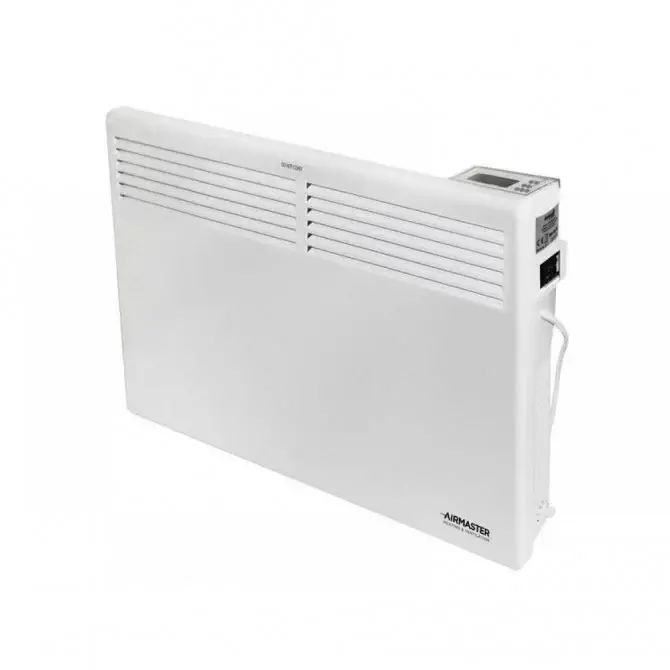
For homeowners researching Electric Panel Heaters, one of the main attractions is the ability to provide independent heating in individual rooms. Unlike traditional radiators connected to a central boiler, electric panel heaters generate warmth using an internal electrical heating element. This removes the need for additional water-filled pipework and makes them particularly suitable for extensions, converted lofts, home offices and properties without an existing central heating system. Their straightforward design and relatively simple installation requirements have contributed to their popularity among households seeking convenient heating solutions.
Electric panel heaters are generally designed to be mounted on walls, although some models can be used with suitable freestanding supports. They typically feature slim casings that allow them to blend into contemporary interiors without occupying substantial floor space. Their compact construction can be especially useful in smaller properties where furniture arrangements and available wall space influence the positioning of heating equipment. Models are available in different finishes, dimensions and power ratings, giving consumers considerable flexibility when planning a heating installation.
Understanding how these appliances operate is important when comparing their performance. Most electric panel heaters use electrical resistance to generate heat, which is transferred into the surrounding room through convection and radiation. Convection involves warming the nearby air, causing it to circulate as cooler air moves towards the heating element. Radiant heat is transferred directly towards nearby surfaces and occupants. The balance between these methods depends on the design of the appliance, but most panel heaters rely substantially on convection to distribute warmth throughout the space.
One characteristic of Electric Panel Heaters is their relatively responsive operation. Many models can begin delivering noticeable warmth shortly after being switched on, making them suitable for rooms requiring heating at particular times rather than continuously throughout the day. This can be useful in home offices, spare bedrooms and other spaces with predictable occupancy patterns. However, rapid heating should not be confused with producing more thermal energy from the same amount of electricity. Conventional electric resistance heaters convert virtually all the electricity they consume into heat, meaning their overall energy use is primarily determined by the amount of warmth required and how long they operate.
The development of digital thermostats has significantly improved the convenience of modern electric panel heating. Earlier appliances often relied on relatively basic controls that could result in noticeable temperature fluctuations. Contemporary electronic thermostats can measure room temperature and regulate the heating element according to the selected setting. When the desired temperature is reached, the heater can reduce or stop electrical consumption until additional warmth is required. This helps prevent continuous operation when the room is already comfortable and can reduce unnecessary energy expenditure.
Programmable heating schedules offer further flexibility by allowing householders to establish different temperature settings throughout the day. A living room may require warmth during the evening, while a bedroom might benefit from a different schedule. Home offices can be heated during working hours without maintaining the same temperature overnight. By matching heating operation to actual room usage, programmable panel heaters can help reduce avoidable electricity consumption. However, the extent of any saving depends on the previous heating arrangements, insulation quality and the temperatures selected.
Smart electric panel heaters provide additional control through wireless connectivity and mobile applications. Depending on the model, users may be able to adjust temperatures remotely, create weekly schedules and manage several appliances through a single interface. Some products also include compatibility with smart home platforms, allowing heating controls to operate alongside other connected devices. These features can improve convenience for households with changing routines, particularly where heating requirements differ between weekdays and weekends.
For consumers comparing Electric Panel Heaters, smart functionality should be assessed according to practical requirements rather than treated as an automatic indication of greater energy efficiency. A basic heater with a reliable thermostat and sensible operating schedule may consume similar electricity to a more expensive connected model when both provide the same amount of heat under comparable conditions. Advanced controls become valuable when they help prevent unnecessary heating or make it easier for occupants to manage temperatures consistently.
Open-window detection is another feature available on some modern panel heaters. These systems attempt to identify sudden reductions in room temperature that may indicate an open window or door. When such a change is detected, the heater may temporarily reduce its output or enter a standby mode. This can help avoid unnecessary heating during ventilation periods, although performance varies according to the appliance and surrounding conditions. Sudden temperature changes can occur for other reasons, meaning detection systems should be regarded as supplementary controls rather than a substitute for sensible heating management.
The energy consumption of an electric panel heater is directly related to its power rating and operating time. A heater rated at 1,000 watts consumes one kilowatt-hour of electricity when operating continuously at full output for one hour. At an illustrative electricity tariff of 25 pence per kilowatt-hour, this would cost approximately 25 pence, excluding standing charges. A 1,500-watt heater operating continuously for four hours would consume six kilowatt-hours, costing £1.50 at the same illustrative tariff. Actual costs will depend on the household's electricity tariff and the amount of time the thermostat allows the heating element to operate.
Correctly sizing a panel heater is essential for maintaining comfortable temperatures without unnecessary expenditure. The required heating output depends on several factors, including room dimensions, ceiling height, insulation quality, glazing and exposure to external conditions. A well-insulated bedroom may require considerably less heating than a similarly sized room with large single-glazed windows and poorly insulated external walls. Choosing an appliance based solely on floor area can therefore lead to inaccurate results.
A room-by-room heat-loss assessment provides a more reliable indication of the output required. This considers how quickly heat escapes from the building and how much energy must be supplied to maintain a suitable indoor temperature. A heater that is significantly undersized may struggle to achieve the desired temperature during cold weather, while an unnecessarily powerful appliance can be more expensive to purchase and may provide less comfortable control if poorly matched to the room. Selecting an appropriate output helps ensure that the system operates effectively under realistic conditions.
Building insulation has a substantial influence on the performance of Electric Panel Heaters. Even a modern heater with sophisticated controls will require significant electricity if warmth escapes rapidly through the surrounding structure. Improving loft insulation, addressing suitable wall insulation opportunities and reducing unwanted draughts can lower the amount of heating needed to maintain comfortable indoor conditions. Windows and external doors also influence thermal performance, particularly in older properties where glazing and seals may have deteriorated.
However, improving energy efficiency should not involve eliminating necessary ventilation. Properties require adequate airflow to maintain indoor air quality and control moisture. Excessive condensation can contribute to dampness and mould, particularly where rooms are maintained at low temperatures. A balanced approach to insulation, ventilation and heating is therefore important when planning improvements. The objective should be to reduce unnecessary heat loss while preserving appropriate living conditions.
Electric panel heaters can be particularly useful in properties where extending an existing wet central heating system would involve substantial disruption. A loft conversion or garden office may be located away from existing pipework, making an independent electric heater a practical solution. Similarly, a small apartment without mains gas may benefit from individually controlled electric appliances. Installation can be comparatively straightforward, although fixed electrical work must be suitable for the intended load and comply with applicable safety requirements.
One advantage of independent electric heating is the ability to establish different temperature settings for different rooms. Rather than heating an entire property to the same temperature, occupants can adjust individual spaces according to how frequently they are used. A spare bedroom may require only occasional heating, while a living room used daily may need a more consistent schedule. This approach can reduce unnecessary energy consumption, particularly when compared with a system that heats large unoccupied areas.
Nevertheless, room-by-room heating needs to be managed carefully. Allowing unused rooms to become excessively cold may contribute to condensation and dampness, particularly in older or poorly insulated buildings. Homes occupied by older people, young children or individuals with particular health needs may also require more consistent temperatures. Energy efficiency should therefore be balanced with comfort, health and the physical condition of the property rather than pursuing the lowest possible heating settings.
Another consideration when choosing Electric Panel Heaters is how they compare with oil-filled radiators and other electric heating appliances. Oil-filled radiators use an internal thermal fluid to distribute heat and may continue releasing stored warmth after the heating element switches off. Electric panel heaters generally have less thermal mass, allowing many designs to respond more quickly when heating begins or stops. This responsiveness can be useful in rooms where heating is required for relatively short periods.
However, neither technology inherently produces substantially more heat from the same electricity input. Differences in comfort, response time and heat distribution may influence which appliance is preferable for a particular setting. Consumers should therefore choose according to the intended use rather than assuming that one resistance heating technology automatically provides lower running costs.
Infrared heating panels represent another alternative. These appliances transfer a greater proportion of their warmth through radiation rather than relying primarily on convection. This can provide targeted comfort where occupants remain within the effective heating area. Electric panel heaters, by contrast, are generally designed to raise and maintain the surrounding room temperature. The most suitable approach depends on room layout, occupancy patterns and personal comfort preferences.
For households considering an extensive electric heating installation, heat pumps also deserve attention. Unlike conventional panel heaters, heat pumps transfer energy from the surrounding environment into a building. This allows them to provide several units of heat for each unit of electricity consumed under suitable conditions. Although installation costs are generally higher, their ability to reduce electricity consumption can make them attractive for whole-property heating. The financial outcome depends on property characteristics, installation quality, energy tariffs and the existing heating system.
The initial purchase price of electric panel heaters varies according to size, construction, appearance and control features. Basic models can provide straightforward heating at a relatively modest upfront cost, while premium appliances may offer advanced programming, Wi-Fi connectivity or decorative finishes. These additions can improve convenience and appearance, but they do not necessarily change the fundamental efficiency of electrical resistance heating.
Consumers should compare the complete cost of ownership rather than relying exclusively on the purchase price. Installation expenses, anticipated electricity consumption, warranty coverage and expected product lifespan all influence long-term value. A comparatively inexpensive appliance may be suitable for occasional use, while a model with reliable controls and better manufacturer support may offer advantages when used regularly over several years.
Safety is another essential consideration. Wall-mounted panel heaters should be installed according to manufacturer instructions, with appropriate clearance maintained around the appliance. Furniture, curtains and other materials should not obstruct airflow or come into contact with surfaces that may become hot during operation. Consumers should avoid covering heaters with clothing unless the product is specifically designed for that purpose, as restricted heat dissipation can create overheating risks.
Electrical installation requirements also need careful consideration. Some panel heaters are supplied with standard plugs for connection to suitable sockets, while others are designed for permanent installation. Higher-powered appliances or multiple heaters operating on the same circuit may require professional assessment. Fixed electrical work should be completed by an appropriately qualified electrician, particularly where modifications to existing wiring are necessary.
Bathroom installations present additional challenges because electrical equipment must be appropriate for potentially wet environments. Appliances intended for bathrooms must comply with relevant requirements relating to electrical installation zones and protection against moisture. Consumers should not assume that an ordinary bedroom or living-room heater is suitable for bathroom use. Manufacturer instructions and professional guidance are important when selecting equipment for these locations.
The appearance of electric panel heaters has become an increasingly important purchasing factor. Modern designs often feature slim profiles, neutral finishes and discreet control displays, allowing them to complement contemporary interiors. Wall-mounted models can preserve valuable floor space, particularly in smaller bedrooms, apartments and home offices. Some heaters are available in vertical configurations or alternative dimensions to accommodate unusual wall layouts, although placement should always allow adequate heat circulation.
For homeowners seeking a consistent appearance throughout a property, electric panel heaters can provide a coordinated heating solution. Matching designs may be installed in several rooms while maintaining independent temperature controls. This can be particularly useful in renovated properties where visual consistency is important. However, each room should still receive an appropriately sized appliance rather than selecting identical outputs simply to maintain a uniform appearance.
Maintenance requirements are generally straightforward because electric panel heaters do not depend on boilers, pumps or circulating water. Routine care may involve keeping external surfaces clean, ensuring ventilation openings remain unobstructed and checking for visible signs of damage. Consumers should follow manufacturer guidance and avoid attempting electrical repairs without suitable qualifications. Faulty controls, damaged cables or unusual operating behaviour should be investigated before the appliance continues to be used.
Warranty coverage and manufacturer support can provide additional reassurance. Consumers should examine warranty terms carefully because different components may have different coverage periods. Availability of replacement thermostats or other parts may also influence the useful lifespan of an appliance. A well-supported product that remains serviceable for many years may provide better overall value than a cheaper heater requiring early replacement.
Environmental considerations are increasingly relevant when selecting heating equipment. Electric panel heaters produce no combustion emissions at the point of use, which can be beneficial for properties seeking to avoid indoor fuel-burning appliances. However, the carbon emissions associated with electricity depend on how that electricity is generated. Their environmental impact also reflects the quantity of energy consumed, the manufacturing process and the lifespan of the product.
As the UK's electricity system incorporates increasing amounts of low-carbon generation, electric heating can benefit from changes in the wider energy supply. Nevertheless, reducing unnecessary consumption remains important. Good insulation, suitable thermostat settings and thoughtful heating schedules can help minimise demand regardless of how electricity is generated. Consumers should also consider durability and responsible disposal when replacing older appliances.
When comparing Electric Panel Heaters, shoppers should be cautious about claims suggesting that particular resistance heating products deliver exceptional energy savings through unusual heating elements or proprietary materials alone. While design features can influence responsiveness, comfort and control, the underlying conversion of electricity into heat remains broadly similar across conventional resistance heaters. Meaningful savings usually depend on reducing the duration or extent of heating rather than generating additional warmth from the same electrical input.
A sensible purchasing decision begins with identifying the heating requirements of the room. The appliance should provide sufficient output, appropriate controls and suitable safety features without unnecessary complexity. Homeowners should also consider whether improvements to insulation or an alternative heating technology might provide better long-term results. A heater that works well in a small, occasionally occupied room may not be the most economical choice for continuously heating a large property.
The growing availability of Electric Panel Heaters gives UK homeowners a flexible way to manage individual room temperatures without relying entirely on traditional central heating arrangements. Their advantages include straightforward operation, compact designs and the ability to control heating according to occupancy patterns. However, achieving comfortable and economical results requires appropriate sizing, reliable thermostats and realistic expectations about electricity consumption. By comparing installation requirements, control features, building insulation and long-term running costs, consumers can select heating equipment that meets their practical needs while avoiding unnecessary energy expenditure.