Community Article
Energy Procurement: How Businesses Can Build a Cost-Effective Energy Purchasing Strategy
Energy is an essential resource for every business, but it is also one of the most unpredictable operating costs. Rising wholesale prices, changing regulations, and increasing environmental expectations have made managing business energy more challenging than ever before. Rather than simply renewing existing contracts each year, more organisations are taking a strategic approach to purchasing energy in order to improve financial stability, reduce costs, and support long-term sustainability goals.
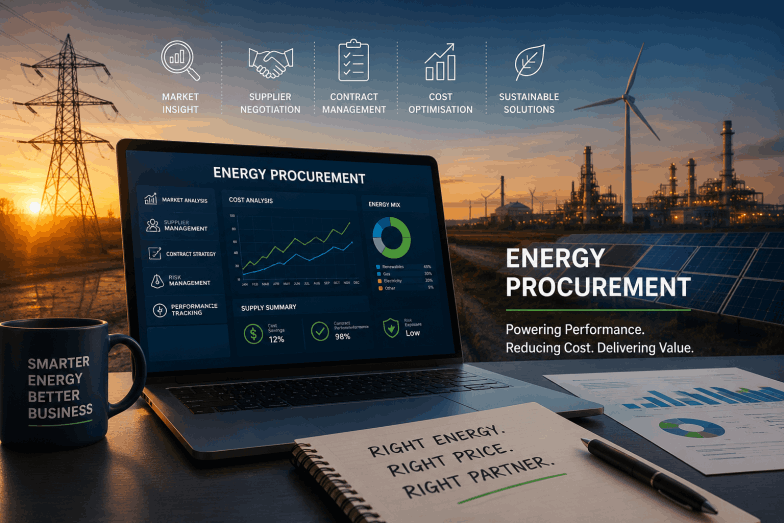
For businesses considering Energy Procurement, the process involves much more than comparing energy prices. Effective procurement means understanding how your business consumes energy, identifying the most suitable suppliers, selecting the right contract structure, and continually reviewing market conditions. A well-planned procurement strategy can help organisations minimise financial risk while ensuring they receive the best possible value from their energy contracts.
Every business has unique energy requirements. A small professional office may consume relatively little electricity, while manufacturing facilities, hotels, healthcare providers, and distribution centres often rely on significant amounts of electricity and gas to support daily operations. Understanding these requirements is the foundation of effective procurement. By analysing historical consumption data, businesses can identify usage trends, seasonal peaks, and opportunities to improve efficiency before entering new supply agreements.
One of the biggest mistakes organisations make is waiting until their contract is about to expire before reviewing their options. Energy markets fluctuate constantly, influenced by international supply, weather patterns, government policy, and global demand. Businesses that begin reviewing their contracts several months before renewal are often in a much stronger position to secure competitive pricing than those making last-minute decisions.
Choosing the appropriate contract type is another key consideration. Fixed-rate agreements remain popular because they provide predictable energy costs throughout the contract period, making budgeting simpler and protecting businesses from sudden market increases. Alternatively, flexible purchasing arrangements allow organisations to buy portions of their energy throughout the year, potentially benefiting from lower wholesale prices. Each option offers advantages depending on the size of the organisation, its appetite for financial risk, and the level of market expertise available.
Supplier selection should extend well beyond price comparisons. Reliability, customer service, billing accuracy, online account management, contract flexibility, and dispute resolution processes all contribute to the overall quality of an energy supplier. Businesses should carefully assess these factors alongside pricing to ensure they receive both competitive rates and dependable ongoing support throughout the contract.
Many organisations are also incorporating sustainability into their procurement strategies. Renewable electricity tariffs, green gas products, and carbon reporting services allow businesses to reduce their environmental impact while supporting wider corporate sustainability objectives. Customers, investors, and employees increasingly value environmentally responsible organisations, making sustainable energy procurement an important part of modern business planning.
Reducing energy consumption is just as important as securing competitive supply rates. Procurement reviews often highlight opportunities to improve efficiency through equipment upgrades and operational improvements. Replacing outdated lighting with LED technology, installing smart heating controls, improving insulation, and maintaining heating and cooling systems can all reduce consumption significantly. These improvements continue generating savings long after a new energy contract has been signed.
Technology now plays a major role in successful procurement strategies. Smart meters and energy management software provide real-time information about energy usage, allowing businesses to monitor consumption, identify unusual patterns, and respond quickly to inefficiencies. Detailed reporting also enables organisations to forecast future energy requirements more accurately, supporting better purchasing decisions and more effective budgeting.
Businesses operating across multiple sites often benefit from centralising their energy procurement activities. Consolidating contracts creates greater purchasing power, simplifies administration, and improves visibility across the organisation. It also enables management teams to implement consistent energy policies while negotiating more favourable commercial terms with suppliers.
Professional procurement consultants can provide valuable expertise for businesses with complex energy requirements. Their knowledge of wholesale markets, supplier negotiations, and contract structures allows organisations to make more informed purchasing decisions. Consultants also monitor market movements throughout the year, helping businesses identify suitable purchasing opportunities while reducing exposure to unnecessary price volatility.
Managing procurement effectively also involves reviewing contracts regularly rather than treating energy purchasing as a one-off exercise. Business requirements change over time as organisations expand, relocate, introduce new equipment, or improve operational efficiency. Regular reviews ensure contracts continue to meet current needs while allowing businesses to take advantage of changing market conditions.
Risk management remains another essential element of a successful energy strategy. Wholesale prices can rise rapidly due to geopolitical events, fuel shortages, or severe weather conditions. Organisations with clear procurement plans, forward purchasing strategies, and regular market monitoring are generally better protected against unexpected increases in operating costs.
Ultimately, successful Energy Procurement is about combining market knowledge, careful planning, and informed decision-making to secure long-term value. Businesses that actively review their contracts, understand their energy usage, improve efficiency, and select suppliers based on overall value rather than price alone are often able to reduce operating costs while improving resilience. As energy markets continue to evolve, investing time in a well-developed procurement strategy can provide lasting financial benefits while supporting sustainable business growth.